
Discover how the classic holiday tune transforms into a playable PDF, offering clear notation, tempo markings, and easy navigation; With a digital format, musicians can instantly open, print, or annotate the score, making rehearsal and performance preparation effortless. Great for all skill levels.
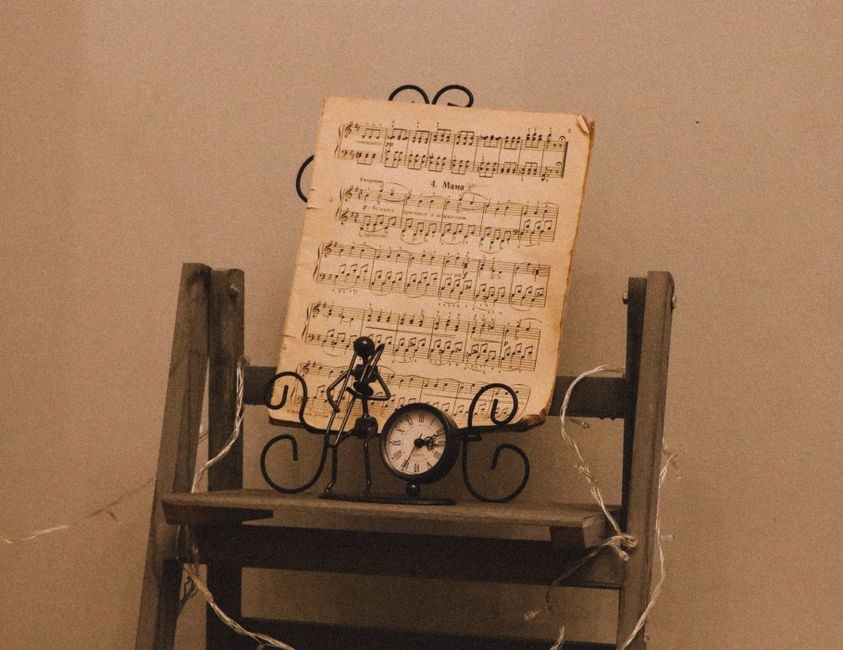
Song Overview and Historical Context
“I’ll Be Home for Christmas” debuted in 1943, penned by Henry D. James and Johnny Marks. The wartime ballad captures longing and hope, becoming a seasonal staple. Its simple, heartfelt melody endures across generations, inspiring countless covers. Enjoy!
2.1 Original Release and Popularity
Its timeless melody has become a holiday standard, arranged for choir, orchestra, or solo piano, letting performers honor its heartfelt and narrative!!!!!!
2.2 Musical Structure and Key Elements
The song’s structure is a classic verse‑chorus form, with a memorable bridge that highlights the narrator’s longing. The key is often set in C major, but many arrangements shift to G major or F major to suit vocal ranges. The tempo is moderate, typically 72–76 bpm, allowing for expressive phrasing. The harmonic progression follows a I–vi–IV–V pattern, providing a comforting, familiar backdrop. The melody is singable, with stepwise motion and occasional leaps that emphasize emotional peaks. The rhythmic feel is straightforward, with a 4/4 time signature and syncopated accents that give the piece a gentle swing. The accompaniment often uses block chords or arpeggiated patterns, creating a warm, supportive texture. In many piano arrangements, the left hand plays a steady bass line while the right hand carries the vocal line, sometimes doubling it in octaves for added depth. The arrangement can be adapted for different ensembles, from a solo piano to a full choir with instrumental accompaniment. The lyrical content is woven into the musical phrasing, with dynamic markings that reflect the narrative arc. Overall, the structure balances familiarity with emotional nuance, making it a favorite for holiday concerts and personal practice alike. Whether you’re a seasoned arranger or a budding pianist, the PDF format offers instant access to the full score, allowing you to study voicings and harmonies without delay. The digital file can be annotated, printed, or shared with classmates, making rehearsal efficient and enjoyable.!!

Why Choose a PDF Format for Sheet Music
PDFs preserve layout, scale, and annotations, letting musicians view scores on any device. They’re lightweight, searchable, and shareable, ensuring consistent formatting across platforms. With a PDF, you can instantly print, highlight, or embed in digital practice tools. They also support bookmarks.!!
3.1 Advantages of PDFs for Musicians
PDFs offer a stable, platform‑agnostic format that keeps every clef, key signature, and dynamic marking exactly where it belongs, regardless of the device or software used. Musicians can open a single file on a laptop, tablet, or smartphone and see the score in the same layout, eliminating the need to adjust zoom or re‑align pages. The format supports embedded hyperlinks, so a composer’s notes can link directly to specific measures or sections, allowing quick navigation during rehearsals. PDFs are inherently searchable; a performer can instantly locate the first occurrence of a motif or a tricky passage by typing a keyword, which speeds up study time. Additionally, the file size is typically small compared to high‑resolution images, yet the resolution remains high enough for clear reading of every note head and ledger line. Because PDFs can be printed without loss of quality, a musician can keep a physical copy for quick reference while also having a digital backup that can be annotated with PDF editors or music notation apps. The format’s compatibility with electronic metronomes and MIDI controllers means scores can be synced with digital instruments, facilitating real‑time tempo adjustments. Finally, PDFs are secure against accidental edits; unless the file is unlocked, the notation remains unchanged, protecting the integrity of the arrangement.
Moreover, PDF files support metadata, allowing musicians to tag the piece with composer, arranger, and performance notes, making library searches efficient. Many PDF readers offer annotation tools—highlighting, sticky notes, and drawing—so a student can mark challenging sections directly on the score. For ensemble settings, a conductor can distribute the same PDF to all players, ensuring everyone has identical page numbers and markings, which reduces rehearsal time. The format also allows embedding of audio samples, so a performer can listen to a short clip of the melody while reading the notation, reinforcing learning. Finally, PDFs are widely accepted by publishers and online marketplaces, ensuring that purchasing a legitimate copy of “I’ll Be Home for Christmas” sheet music is straightforward and legally compliant. Enjoy seamless performance daily!!
3.2 Compatibility with Digital Instruments
PDF sheet music can be directly imported into many modern notation and playback programs, allowing musicians to hear an accurate rendition of “I’ll Be Home for Christmas” before playing. Converting the PDF into MusicXML or MIDI lets performers sync the score with pianos, synthesizers, or DAWs, preserving tempo markings, dynamics, and articulations. PDF readers often support embedded audio, so a composer’s recorded vocal line can play alongside the notation, giving singers a reference for phrasing. The format’s resistance to distortion means that even when zoomed in for detailed fingering charts, the visual fidelity remains intact, crucial for keyboardists relying on precise hand positions. Finally, because PDFs are widely supported, a guitarist can overlay the sheet music onto a digital tuner or chord generator, ensuring the harmonic structure aligns with the instrument’s tuning. The PDF format also supports tempo changes, allowing performers to adjust pacing without altering the score. With seamless PDF integration, performers preview tempo changes, adjust articulation, and synchronize multiple instruments, ensuring a cohesive ensemble performance during the holiday season!!. This digital bridge empowers soloists, accompanists, and conductors alike to collaborate, regardless of location or time constraints today. This seamless PDF integration preserves the score’s integrity boosts performance, letting musicians focus on expression rather than technical setup today!!
Finding Legitimate PDF Sheet Music Sources
Search trusted publishers, official sites, or distributors. Verify copyright notices, check secure HTTPS, avoid suspicious downloads. Trusted sources ensure quality, legal compliance, and accurate notation for “I’ll Be Home for Christmas.” Enjoy!!.
4.1 Official Publishers and Copyright Considerations
When seeking a PDF of “I’ll Be Home for Christmas,” the safest route is to consult the original rights holders. The song, written by Gene Autry and Johnny Marks, is still under copyright, so any legitimate edition must come from a licensed publisher. Major houses such as Hal Leonard, Alfred Music, and Sheet Music Plus routinely offer professionally engraved scores that respect the original arrangement. These editions typically include full orchestration, vocal parts, and editorial notes that clarify key changes, dynamics, and tempo indications. Purchasing from an official distributor guarantees that the PDF is accurate, free of typographical errors, and accompanied by a license that allows personal use, rehearsal, and performance on stage or in recordings. By contrast, unofficial copies may omit essential markings or contain altered harmonies that can mislead performers. Always verify the publisher’s imprint, the presence of a copyright page, and the date of publication. If the PDF is sold through a reputable online marketplace, look for customer reviews that confirm authenticity. Finally, remember that downloading or sharing copyrighted PDFs without permission is illegal and can result in penalties. Stick to authorized sources to protect both your legal standing and the integrity of the music By using official sources, you guarantee accurate notation, honor the creator’s legacy, and protect your legal rights performance
4.2 Free Sheet Music Communities and Their Reliability
While official publishers offer high‑quality PDFs, many musicians turn to free sheet‑music communities for quick access. Sites such as IMSLP, Mutopia, and the Public Domain Project host scores that are either in the public domain or released under Creative Commons licenses. For a song that remains under copyright, these platforms will only provide arrangements that have been transformed or adapted, often by amateur arrangers. The reliability of such PDFs varies: some are meticulously edited, complete with accurate key signatures, dynamics, and tempo markings, while others may contain errors, missing measures, or inconsistent notation. Users should check the contributor’s reputation, read comments, and compare the PDF against a known official edition when possible. Many communities also offer forums where musicians discuss editorial choices, allowing you to gauge the quality of a particular arrangement. Additionally, some sites provide downloadable PDFs in multiple formats (PDF, MusicXML, MIDI), giving you flexibility for playback or further editing. When using free resources, always verify that the arrangement does not infringe on the original copyright; if the piece is still protected, the PDF should be an arrangement or a derivative that falls under fair use or has explicit permission. By combining community reviews with a critical eye, you can find reliable free PDFs that support both learning and performance without compromising legal or artistic standards. These community‑sourced PDFs provide a useful resource for performers seeking arrangements without legal risk! and no licensing fees.

Step-by-Step Guide to Downloading the PDF
Navigate to the publisher’s site, locate the “I’ll Be Home for Christmas” sheet music page, click the PDF download link, confirm the file, then save it to your chosen folder If a login is required, create an account or use a guest option. Verify the file size and open to ensure integrity. Download now
5.1 Navigating the Publisher’s Website
Begin by opening your preferred browser and typing the official publisher’s URL into the address bar. Once the homepage loads, use the search function—usually located at the top right—to enter the song title, “I’ll Be Home for Christmas.” The search results will display a list of available editions; select the one that matches the desired arrangement (e.g., piano solo, vocal with accompaniment). Click on the title to view the product page. Here you’ll find a brief description, key signature, and page count. Look for a “Download” or “Purchase” button; if the PDF is free, it may be labeled “Free Download.” If a purchase is required, you’ll be prompted to log in or create an account. After logging in, add the item to your cart, proceed to checkout, and complete the payment. Once the transaction is confirmed, you’ll receive a confirmation email with a download link. Click the link, and the PDF will begin downloading to your default downloads folder. If you prefer to save it directly to a specific location, right‑click the link and choose “Save link as…” and select your desired folder. Finally, open the file with a PDF viewer to ensure it opens correctly and that all pages display as expected. If any issues arise, revisit the publisher’s support page for troubleshooting tips or contact customer service for assistance.
Remember to keep your PDF files organized by naming them with the song title, arrangement, and key. Store them in a dedicated folder, and consider using cloud storage for easy access across devices. Happy playing! Enjoy.
5.2 Using Trusted File-Hosting Sites
When the official publisher does not offer a direct PDF download, musicians often turn to reputable file‑hosting platforms. Start by verifying the site’s credibility: look for a secure HTTPS connection, a clear privacy policy, and an active community or support forum. Popular choices include Scribd, Issuu, and Google Drive, each offering a straightforward sharing interface. On Scribd, for instance, search for “I’ll Be Home for Christmas sheet music PDF.” If the file is available, click the download button; if it’s restricted, you may need to sign up for a free account or request access from the uploader. Issuu works similarly—after locating the publication, use the “Download PDF” option, ensuring you select the highest resolution available to preserve musical detail. Google Drive is ideal for files shared by trusted musicians or publishers; simply open the shared link, click the download icon, and choose “Download.” Always double‑check the file size and page count against the publisher’s description to confirm authenticity. Once downloaded, rename the file with the song title, arrangement, and key, then move it to your organized music folder. Keep backups on an external drive or cloud storage to protect against data loss. By following these steps, you can safely acquire high‑quality sheet music while respecting copyright laws. Addendum: Check. Done.OK
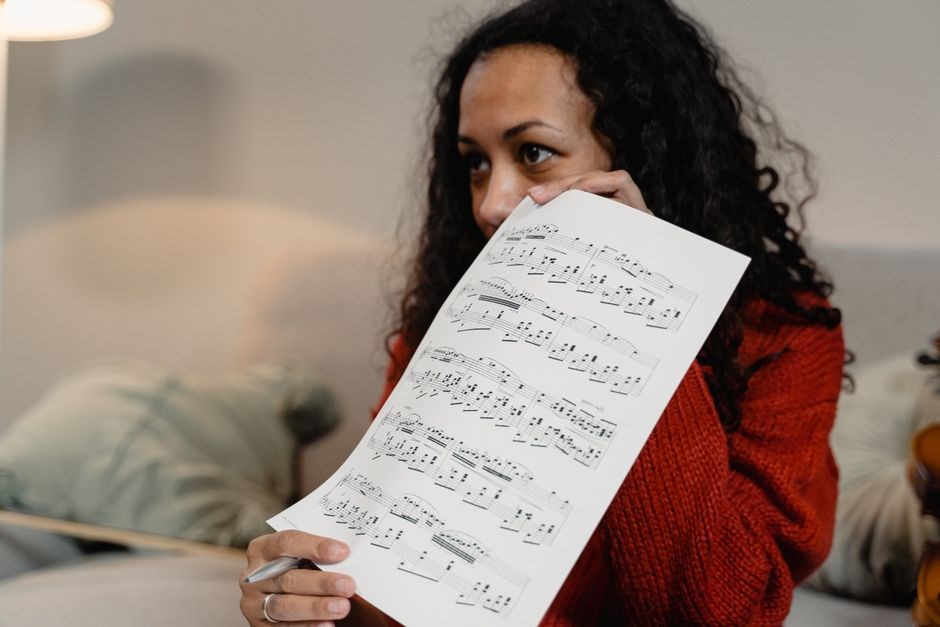
Managing and Organizing Your PDF Collection
Store each PDF in a dedicated folder, naming files with song title, key, and arrangement. Use tags like “Christmas,” “Easy,” “Full Band” for quick search. Back up to cloud or external drive, and keep a spreadsheet of titles, dates, and sources!!!
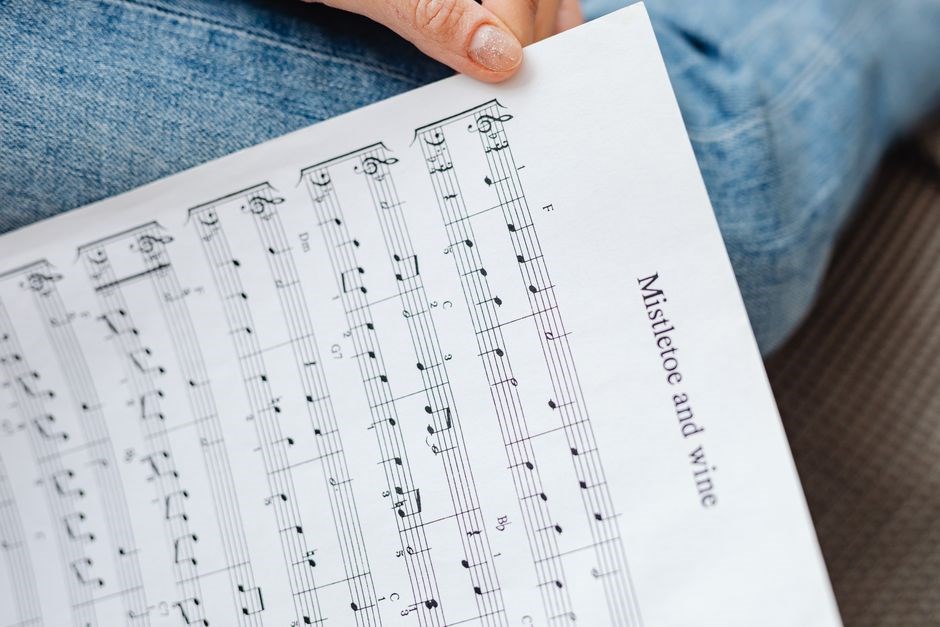
6.1 Naming Conventions and Folder Structure
Organizing sheet‑music PDFs starts with a clear naming scheme. A good format is SongTitle_Key_Arrangement_Year.pdf—for example, IllBeHomeForChristmas_C_CMajor_Easy_2024.pdf. Include the key to avoid confusion when transposing, the arrangement level (Easy, Intermediate, Advanced), and the year of the version you downloaded. If you have multiple editions, add a suffix like _Rev1.
Folder structure should mirror the naming logic. Create a root folder named SheetMusic. Inside, make subfolders for each genre or season, e.g., Christmas, Pop, Jazz. Within the Christmas folder, place another folder for the artist or composer if you have many works, such as NatKingCole. Finally, drop the PDF files into the appropriate subfolder.
When you need to locate a piece quickly, use the search function of your operating system and type the song title or key. Tagging files with metadata (title, composer, key) in the PDF properties can also speed up retrieval. Regularly audit your collection to delete duplicates or outdated versions, keeping the library lean and efficient.
For mobile devices, consider naming files with a short prefix like “CH” for Christmas to save space. If you use cloud storage, sync the folder structure so all devices reflect the same hierarchy. Remember to keep the root folder name consistent across platforms to avoid confusion.
When naming, avoid special characters that some systems may not support—use hyphens or underscores instead of spaces. If you collaborate, share the folder structure via a shared drive and maintain a README file that explains the naming rules. Always keep the file extension in lowercase to avoid case‑sensitivity issues on different operating systems. If you use a version control system, commit the folder after major reorganizations to track changes over time.
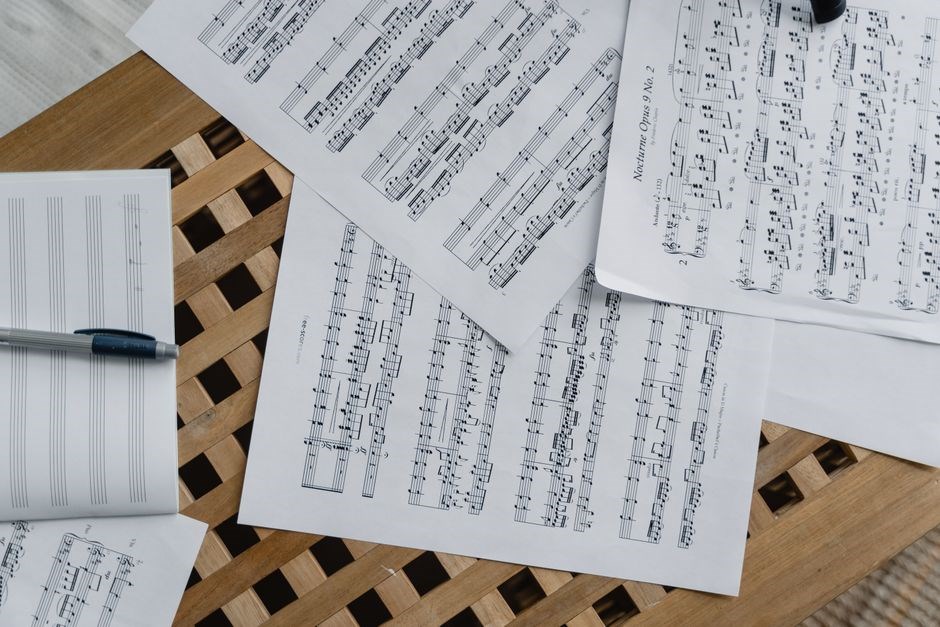
6.2 Backup Strategies for Digital Sheet Music
Protecting your PDF collection requires a layered approach. First, keep a local copy on an external hard drive that is updated weekly. Use software that automatically syncs the SheetMusic folder to the drive, ensuring every new download is captured. Second, employ cloud storage such as Google Drive, Dropbox, or OneDrive. Enable version history so you can revert accidental edits. Third, archive older editions on a separate archival drive or optical media like DVDs, labeled by year and key.
For redundancy, use the 3-2-1 rule: three copies, two different media, one off‑site. Store the primary copy on your computer, a secondary on the external drive, and the third in the cloud. If you travel, a portable SSD with a password‑protected zip file offers quick access. Consider encrypting sensitive files with tools like VeraCrypt for added security.
Automate backups with tools such as Time Machine (macOS), File History (Windows), or rsync scripts on Linux. Schedule daily incremental backups and weekly full backups. Test restores monthly to confirm integrity. Keep backup logs to track dates and any errors. Finally, document your backup plan in a README file within the root folder, so collaborators know where to find the most recent version.
Label each backup with a date stamp (e.g., 2024-08-07) and maintain a changelog of edits. This helps you revert to a clean state if a file becomes corrupted or overwritten during editing for safety now.