
Zweihander RPG, a high‑fantasy tabletop game, thrives in PDF form, offering instant access to core rules, adventures, and supplements. Digital files let players download, annotate, and share content, while keeping the system’s rich lore and mechanics alive online.
Enjoy digital play with community tools
1.1 What Is Zweihander?
Zweihander is a tabletop role‑playing game that blends high‑fantasy adventure with a gritty, medieval‑style setting. Developed by the German studio Rictus Games, it draws inspiration from classic sword‑and‑sorcery tales while offering a unique, narrative‑driven experience. The core rulebook, released in 2014, establishes a flexible system that emphasizes character development, combat, and world‑building. Players create heroes with distinct backgrounds, skills, and motivations, then navigate a world where magic, monsters, and political intrigue coexist. The game’s mechanics revolve around a percentile dice system, allowing for a range of outcomes from mundane to extraordinary. By providing a clear framework for action resolution, Zweihander encourages collaborative storytelling and strategic decision‑making. The PDF format of the rulebook and supplements ensures that players can quickly download, print, or reference content during sessions, making it a convenient resource for both new and experienced groups. Its digital presence also supports community‑generated content, such as adventure modules, character sheets, and rule clarifications, fostering an active fan base that continually expands the game’s horizons. Players often find that the PDF format allows them to annotate and bookmark pages on the fly, making it easier to reference lore, character sheets, or rule clarifications during intense sessions without the clutter of paper copies. Because the PDF is portable, groups can share updated modules via email or cloud, keeping everyone on the same page without costly reprints for all fast
1.2 Core Mechanics Overview
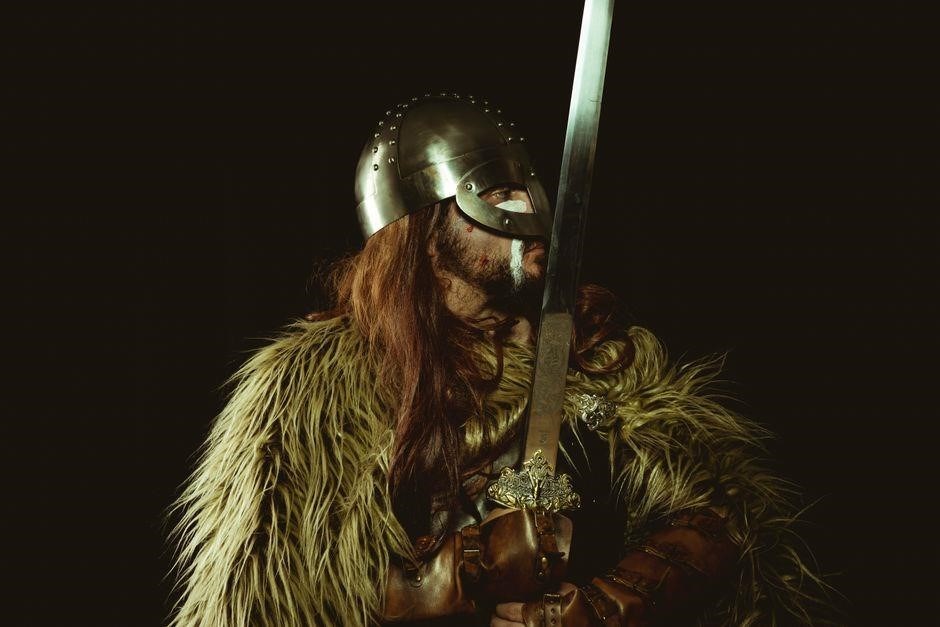
Zweihander’s engine is built around a percentile system that blends skill checks, combat resolution, and narrative flow. Each character’s attributes are divided into three groups: Physical, Mental, and Social, each with a set of skills that determine success rates. When a player attempts an action, they roll a d100, adding relevant skill modifiers and situational bonuses. The result is compared to a target number set by the Game Master (GM), reflecting difficulty. Combat is a series of rounds where initiative, movement, and attack rolls interact; damage is calculated by adding weapon damage to the target’s armor rating, then subtracting the result from the target’s hit points. The system also introduces “Fate” points, allowing players to influence outcomes or mitigate damage, adding a layer of strategic depth. Narrative elements are woven through the “Story” mechanic: the GM can offer narrative hooks that grant temporary bonuses or impose penalties, encouraging players to role‑play and explore motivations. The PDF format of the rulebook makes these mechanics instantly accessible; players can reference tables, skill lists, and combat charts on the go, annotate PDFs for quick reference, and share updated errata or homebrew rules with their group. This digital convenience supports dynamic play, enabling groups to adapt rules on the fly without printing new sheets. The core mechanics are designed to be flexible, letting groups tweak difficulty, add new skills, or modify combat pacing to fit their preferred style of play, while the PDF ensures every change is shared consistently across the table. The percentile system’s simplicity, combined with the depth of narrative hooks, makes Zweihander a compelling choice for groups that value both tactical combat and immersive storytelling.
Players can also customize characters by selecting background traits that grant skill bonuses or unique abilities. The GM can adjust encounter difficulty by scaling enemy hit points, adding hazards, or tweaking initiative. The PDF’s interactive features, such as hyperlinks to skill tables or embedded sheets, streamline gameplay and reduce downtime. Additionally, the community often shares errata PDFs that clarify ambiguous rules, ensuring consistency across groups.

The Significance of PDFs in Modern Gaming
PDFs revolutionize tabletop play by offering instant access to rulebooks, adventures, and errata. Players can annotate, bookmark, and share digital sheets, reducing setup time and ensuring every group uses the same updated content. This convenience fuels collaborative, on‑the‑go gaming.
Play now!
2.1 Accessibility and Convenience
With a Zweihander RPG PDF, players no longer wait for physical books to arrive. A single download delivers the entire core rulebook, adventure modules, and errata, instantly available on laptops, tablets, or smartphones. This immediacy eliminates shipping delays and allows groups to start sessions whenever inspiration strikes, whether at home, on a train, or during a weekend retreat.
Digital PDFs also support instant lookup and dynamic referencing. Players can use built‑in search to find specific rules, character sheets, or lore entries in seconds. Annotation tools allow notes to be added directly onto the page, while bookmarks keep track of favorite scenes or combat encounters. Integration with virtual tabletops and dice‑rolling apps further streamlines gameplay, eliminating the need for separate rulebooks during sessions.
Beyond individual convenience, PDFs enable seamless group collaboration. A shared cloud folder or a virtual tabletop link allows all players to view the same page, ensuring consistency during long campaigns. Version control is trivial—updates to errata or new supplements can be pushed instantly, so no one is left with outdated rules. Community forums often host free, fan‑made PDFs, fostering a vibrant ecosystem where players exchange custom adventures, maps, and rule tweaks, all while keeping the core experience intact. With PDFs, the community thrives, sharing adventures, maps, and rule tweaks, ensuring every campaign feels fresh and engaging for all players!!
2.2 Digital vs; Print: Pros and Cons
Digital Zweihander PDFs offer instant access, no shipping, and easy updates. Players can search, highlight, and annotate on the fly, making complex rules easier to reference during play. The file size is small, so it fits on any device, and cloud storage keeps a backup of the entire rule set. However, long sessions can strain battery life, and the tactile feel of a physical book—its weight, the smell of paper, and the ability to flip pages quickly—remains unmatched for some gamers.
Print editions provide a tangible experience that many find comforting. The physical layout allows for quick visual scanning, and the absence of screen glare reduces eye strain. Yet, print books are bulky, expensive to ship, and cannot be updated without a new edition. Additionally, carrying a full rulebook can be inconvenient for groups traveling between venues or playing in outdoor settings.
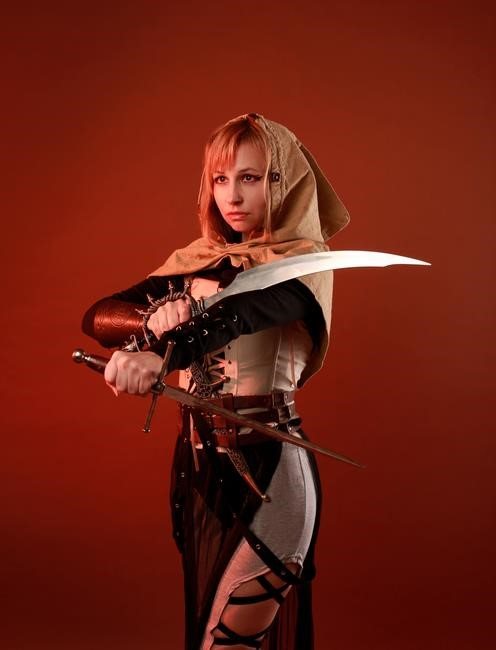
Ultimately, the choice depends on personal preference and play style. Digital PDFs excel in portability and flexibility, while print books deliver a sensory experience that some players cherish. Many groups opt for a hybrid approach, keeping a printed core rulebook for reference while using PDFs for supplements and errata.
Whether you prefer a crisp, tactile feel or the instant flexibility of a PDF, Zweihander’s community supports both formats. Many groups use a hybrid library, keeping a hard‑back core rulebook for quick reference while downloading new adventures, maps, and errata as PDFs to keep the game fresh and accessible to all players!!!
Key Resources for Zweihander PDF Fans
Explore official releases, community archives, and fan‑made modules. Trusted sites host free PDFs, while the publisher’s store offers updated editions. Use forums, Discord groups, and digital libraries to discover maps, adventures, and rule expansions. Enjoy!!!
3.1 Official PDF Releases
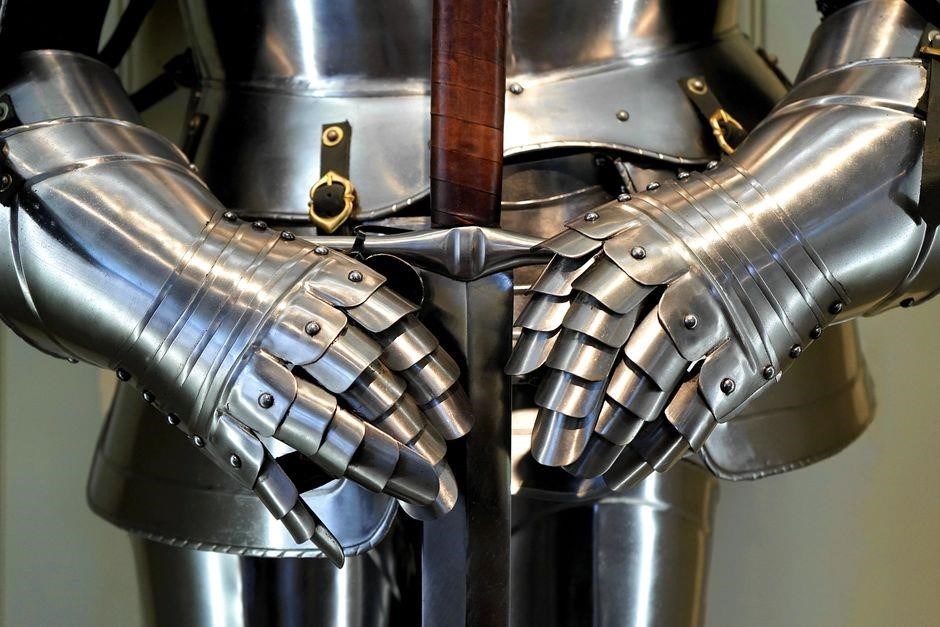
For players who want the most reliable source of Zweihander content, the publisher’s official PDF releases are the gold standard. These files are produced by the design team, undergo rigorous quality checks, and are updated to reflect errata and new editions. The core rulebook, the first edition of the game, is available as a single PDF that includes the full rule set, character creation tables, and a wealth of lore. Subsequent editions, such as the second edition, are released as separate PDFs or bundled with the core to provide a seamless transition for existing players. Each official PDF is accompanied by a detailed changelog that explains revisions, clarifies ambiguous rules, and adds new mechanics. This transparency helps players keep their games consistent and ensures that the community is on the same page regarding rule interpretation. Official releases also come with high‑resolution artwork, maps, and character sheets that are optimized for printing or digital use. The publisher’s website offers a secure download portal, and the PDFs are often available in multiple formats, including PDF/A for archival purposes. In addition, the official releases are frequently bundled with companion modules, such as adventure packs or setting expansions, which provide ready‑made scenarios and additional content that can be dropped into a campaign. These companion PDFs are designed to integrate smoothly with the core rules, offering new monsters, magic items, and plot hooks that enrich gameplay. For those who prefer a physical copy, the publisher also offers print‑on‑demand services that allow players to order hard copies of the PDFs. This hybrid approach ensures that whether you play digitally or in print, you have access to the most up‑to‑date and fully supported version of Zweihander. By choosing official PDFs, you support the creators, gain access to the latest content, and enjoy a polished, error‑free experience that enhances your gaming sessions.
3.2 Community-Made PDFs and Supplements
Fans of Zweihander often create their PDFs, ranging from character sheets to full‑scale adventures. These community‑generated files are shared on forums, Discord servers, and dedicated fan sites, offering fresh content that expands the core rules. Many creators remix existing lore, introduce new factions, or craft intricate plot hooks that fit seamlessly into a campaign. Because they are user‑generated, these PDFs can be highly specialized—some focus on niche settings like steampunk or gothic horror, while others provide detailed maps. The advantage of community PDFs is their flexibility; designers can tweak mechanics, adjust difficulty, or add home‑brew rules without waiting for an update. They also foster collaboration, as players provide feedback, suggest edits, and help refine the content. However, the quality and balance of these supplements vary widely. Some are polished, with clear layout and thorough playtesting, while others may contain errors or unbalanced elements. It is therefore wise to review community PDFs carefully, checking for consistency with the core rules and ensuring that any new mechanics are well documented. Many creators also offer their PDFs under Creative Commons licenses, allowing others to adapt or translate the material. This openness encourages a vibrant ecosystem where players can share ideas, improve each other’s work, and keep the game evolving. Ultimately, community‑made PDFs enrich the Zweihander experience by providing endless creative possibilities beyond the official releases, but they require a discerning eye to maintain balance and enjoyment.

How to Legally Obtain Zweihander PDFs
Purchase official PDFs directly from the publisher’s website or authorized retailers. Digital copies are often available for instant download, while physical books can be shipped. Ensure you use legitimate sources to support creators and avoid piracy. Share your thoughts on the official forums. and help.
4.1 Purchasing from the Publisher
When you want the most reliable source for game files, the official house is the first stop. They offer a curated catalog that includes core rulebooks, expansions, and supplemental modules. Each item is available as a high‑resolution PDF, ready to download after payment. The process is straightforward: navigate to the online storefront, select the desired title, and complete the checkout. The publisher guarantees that every file is updated to the latest edition, so you never have to worry about missing errata or broken links.
Payment options are flexible, supporting major credit cards, PayPal, and sometimes direct bank transfers. Once the transaction is confirmed, a download link appears immediately. If you prefer a physical copy, many publishers bundle a digital version with the print edition, giving you both a tangible book and a portable file.
Purchasing directly also supports the creators. The revenue goes straight to the designers, artists, and writers who keep the world alive. It also grants you access to exclusive content, such as early‑access PDFs, community events, and special edition bundles that are not available elsewhere.

For those who love to customize, the publisher offers a set of tools and guidelines for creating material. These resources include template PDFs, conversion charts, and a community forum where designers can share their work; By engaging with these tools, players can expand the game’s universe while maintaining balance and consistency!
4.2 Free PDFs: Where to Look
For players eager to explore the world without spending, several reputable sources provide legitimate free PDFs. First, the official website often hosts a “free content” section with sample chapters, errata sheets, and occasionally entire modules released under a Creative Commons license. These files are fully legal, and they give a taste of the game’s mechanics and setting. Second, community forums such as the official Discord or Reddit threads sometimes feature user‑generated PDFs that are shared with permission from the creators. These can include fan‑made adventures, house‑rule compendiums, or translations. Third, open‑source platforms like GitHub host repositories where designers upload PDFs of their own modules, complete with version control and issue tracking. Finally, some indie publishers partner with the main house to offer free PDFs as part of promotional campaigns or bundle deals. Always verify the license before downloading to ensure the material is truly free and not infringing on copyright; By using these channels, you can build a robust digital library while respecting the creators’ rights.
Players can also explore community‑curated PDFs that expand the core ruleset, offering new character classes, exotic weapons, and regional lore. These fan‑made PDFs often include polished artwork, ready‑to‑print tables, and detailed adventure hooks. By downloading and integrating them, groups can customize campaigns while keeping the game’s balance intact. All PDFs are shared under open licenses!

Tips for Using Zweihander PDFs Effectively
Begin by organizing your digital library: place all PDFs in a single, clearly labeled folder and back them up to cloud storage. A PDF reader that supports annotations—highlighting, sticky notes, and bookmarks—lets you mark important rules, tables, and character sheets for quick reference during play.
When you first load a new module, skim the table of contents and create a one‑page cheat sheet for key stats such as combat modifiers, magic costs, and encounter difficulty. This reduces lookup time and keeps the game flowing. Use the search function to jump straight to a monster’s damage table or a character’s special ability. If a PDF isn’t searchable, run it through OCR software before use.
For remote sessions, pair your PDF with a virtual tabletop that accepts image uploads. Scan or photograph any hand‑drawn maps and import them so all players can zoom in on details. Keep a shared spreadsheet that tracks character progress, loot, and encounter outcomes; sync it with your PDF library so everyone sees the same data in real time.
Print‑ready pages are handy for groups that prefer physical reference sheets. Many PDFs include a print mode that removes navigation bars and ensures correct margins. Print character sheets and monster stat blocks ahead of time for quick flips during sessions.
When you have multiple PDFs—core rulebook, supplements, and fan modules—use a PDF merger to combine them into a single file. This eliminates the need to switch between tabs and keeps all relevant information in one place. You can also create a custom bookmark hierarchy that mirrors your campaign’s structure, making navigation intuitive.
Consider using a cloud‑based note‑taking app to store quick reference notes and session logs. Linking these notes to specific PDF pages via URLs or page numbers helps you revisit important moments without hunting through the rulebook again.
Finally, respect licensing. Share PDFs only if you have the right to distribute them, and use official download links whenever possible. This protects creators and keeps the community healthy.