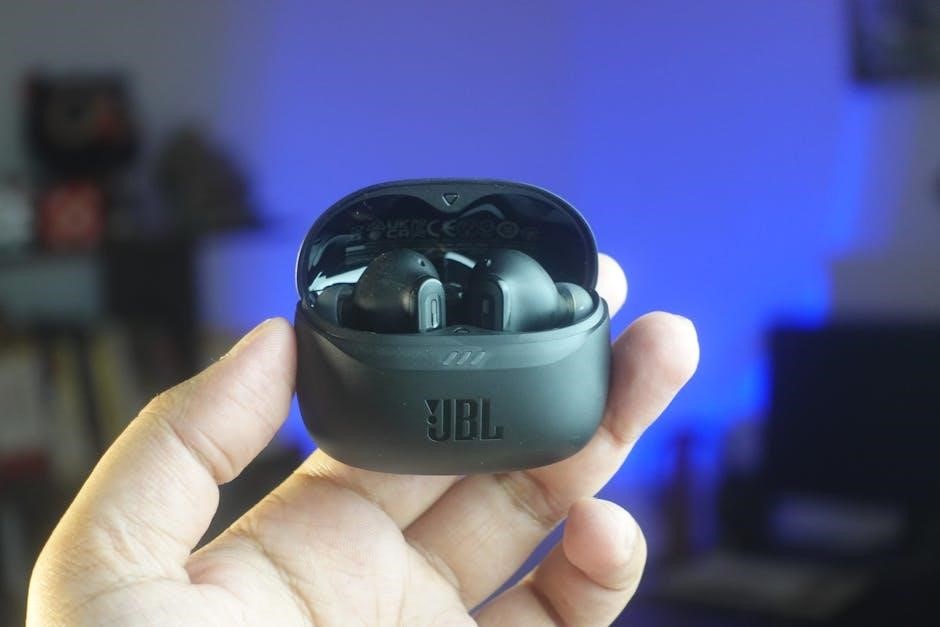
True Wireless Stereo (TWS) earbuds offer a convenient, cable-free listening experience, gaining immense popularity. Resetting and re-pairing often resolves connection difficulties.
Maintaining optimal signal strength and updating firmware are crucial for seamless performance, enhancing overall usability.
What are TWS Earbuds?
TWS, or True Wireless Stereo, earbuds represent a revolutionary leap in personal audio technology. Unlike traditional wireless headphones with a connecting cable, TWS earbuds completely eliminate wires, offering true freedom of movement. Each earbud functions as an independent audio source, connecting directly to your device via Bluetooth.
These compact devices typically include a charging case that also serves as a portable power bank, extending listening time. Pairing can sometimes be tricky, often requiring a reset of both earbuds and a re-establishment of the Bluetooth connection. Successfully pairing both simultaneously is key.
Modern TWS earbuds boast features like touch controls, voice assistant integration, and varying degrees of water resistance, making them ideal for workouts and daily commutes. Addressing pairing issues often involves ensuring sufficient battery and minimizing interference.
Benefits of Using TWS Earbuds
TWS earbuds deliver a multitude of advantages over traditional headphones. The most prominent benefit is their complete freedom from wires, enabling unrestricted movement during activities like exercise, commuting, or simply relaxing. Their compact size and lightweight design ensure a comfortable and secure fit for various ear shapes.
Furthermore, TWS earbuds often feature intuitive touch controls for managing music playback and calls. Bluetooth connectivity allows seamless pairing with smartphones, tablets, and laptops. Troubleshooting pairing issues, like only one earbud connecting, often requires resetting the devices.
Many models offer noise cancellation, enhancing the listening experience by blocking out external distractions. Regular firmware updates can also improve performance and address potential bugs, ensuring optimal functionality.
Initial Setup and Pairing
Successfully pairing TWS earbuds involves charging, activating pairing mode, and connecting via your smartphone’s Bluetooth settings for a seamless audio experience.
Charging the Earbuds
Proper charging is fundamental for reliable TWS earbud performance. Before initial use, or when experiencing pairing issues, ensure both earbuds are adequately charged within the charging case. A low battery can frequently prevent successful pairing or cause intermittent disconnections.
The charging case itself requires periodic charging via a USB connection; Observe the indicator lights on the case and earbuds; typically, a solid light indicates a full charge, while a flashing light signifies charging in progress.
Fully charging the earbuds before attempting to pair them is a crucial first step in troubleshooting connection problems, as insufficient power can hinder the pairing process.
Activating Pairing Mode
To initiate pairing, earbuds must enter pairing mode. For many models, this involves removing both earbuds from the charging case. Some require simultaneously holding down the power buttons on each earbud until an indicator light flashes, signaling pairing mode activation.
Specific procedures vary; some require double-clicking the buttons, while others involve a longer press. Consult your earbud’s manual for precise instructions. Ensure both earbuds are flashing at the same rate, indicating they are attempting to connect with each other before connecting to a device.
If only one earbud flashes, it may indicate a synchronization issue requiring a reset.
Pairing with Your Smartphone (iOS & Android)
With earbuds in pairing mode, navigate to your smartphone’s Bluetooth settings. Ensure Bluetooth is enabled. Your earbuds should appear in the list of available devices, often displaying a unique name. Select the earbud name to initiate the pairing process.
iOS and Android may prompt for a pairing code; typically, this is “0000” or not required. Once connected, your smartphone will confirm the pairing. Verify both earbuds are recognized as a single audio output. If only one appears, repeat the pairing process or reset the earbuds.
Close the charging case and reopen it if the name doesn’t appear.
Troubleshooting Pairing Issues
Pairing problems can stem from low battery, interference, or outdated firmware. Resetting earbuds and disconnecting other Bluetooth devices often resolves connectivity challenges quickly.
Earbuds Not Pairing at All
If your TWS earbuds refuse to pair, begin by ensuring they have sufficient charge; a low battery frequently hinders the pairing process. Simultaneously hold the power buttons on both earbuds until they indicate a “power on” state, then continue holding until they announce “pairing”.
Subsequently, release the buttons, briefly press them again to power off, and return the earbuds to the charging case. Re-enable Bluetooth on your smartphone, open the case, and verify that the earbud lights are flashing identically. Confirm that only a single earbud name appears in your Bluetooth settings before initiating the pairing process.
A complete reset of both earbuds, followed by a fresh attempt to pair them, is often the most effective solution when initial pairing fails. Disconnecting other active Bluetooth connections can also eliminate potential interference.
Only One Earbud Connects
When only one TWS earbud connects, a reset of the connection is often the key to resolving the issue. Begin by unpairing the earbuds from all previously connected devices and disabling Bluetooth on your smartphone. Place both earbuds within the charging case, then remove them to confirm that both are actively flashing, indicating pairing mode.
A quick double-click on one earbud can sometimes initiate the re-pairing process between the two units. Ensure that your smartphone only detects a single earbud name in the Bluetooth settings. If problems persist, try fully charging both earbuds and repeating the pairing sequence.
Interference from other devices can also cause this issue, so disconnecting them is recommended.
Interference from Other Devices
Bluetooth interference significantly impacts TWS earbud connectivity. Numerous electronic devices emit signals on the 2.4 GHz frequency, the same band used by Bluetooth, causing disruptions. Common culprits include Wi-Fi routers, microwaves, and other wireless devices. To mitigate this, disconnect unnecessary Bluetooth connections on your smartphone and surrounding electronics.
Switching your Wi-Fi network to the 5 GHz band, if available, can also reduce interference as it utilizes a different frequency. Maintaining a closer proximity between your smartphone and the earbuds, ideally within 10 meters, strengthens the signal.
Avoid crowded Bluetooth environments for optimal performance.
Low Battery Issues & Pairing
Insufficient battery power frequently hinders TWS earbud pairing. A critically low charge can prevent the earbuds from entering or maintaining pairing mode, leading to connection failures. Always ensure both earbuds are adequately charged before attempting to pair them with your smartphone or other devices.
Fully charge the earbuds and the charging case before troubleshooting pairing issues. A stable power supply is essential for a reliable Bluetooth connection. If pairing fails, try charging the earbuds for a longer duration, even if the indicator lights suggest a full charge.
Low battery often causes intermittent disconnections too.
Resetting Your TWS Earbuds
Resetting TWS earbuds can resolve persistent pairing problems and restore functionality. Unpairing from all devices, then re-initiating the pairing process, is often effective.
This clears previous connections and allows for a fresh, stable link with your desired device.
Why Resetting is Necessary
Resetting your TWS earbuds becomes essential when encountering frustrating connectivity issues or unexpected behavior. Often, earbuds develop connection ‘memory,’ remembering numerous paired devices, which can lead to conflicts and pairing failures. A reset clears this stored data, providing a clean slate for establishing a reliable connection with your current device.
Furthermore, resetting can resolve problems stemming from software glitches or corrupted firmware. While firmware updates address bugs, sometimes a reset is needed to properly implement those updates or to recover from a failed update process. If you experience only one earbud connecting, or intermittent audio dropouts, a reset is a logical first troubleshooting step. It’s a simple yet powerful way to restore optimal performance and ensure a seamless listening experience.
Resetting Procedure for Common Models
Generally, resetting TWS earbuds involves a similar process across many brands. Begin by ensuring the earbuds are fully charged. Then, unpair them from all previously connected devices and disable Bluetooth on your smartphone. Place both earbuds inside the charging case, and allow them to charge briefly.
Next, remove the earbuds from the case. Look for an indicator light – it should be flashing. Simultaneously press and hold the power buttons on both earbuds for approximately 8-10 seconds, until the lights change or a reset confirmation tone sounds. Return the earbuds to the case, close it, and then reopen it to initiate pairing mode. Your earbuds are now ready for re-pairing!
Resetting ONN TWS Earbuds
For ONN TWS earbuds experiencing pairing issues, a specific reset procedure is often required. Begin by holding down the power buttons on both earbuds simultaneously. Continue holding until you hear a “power on” indication from both sides. Maintain pressure on the buttons until both earbuds announce “pairing”.
Release the buttons, then press and hold them again simultaneously until both earbuds state “power off”. Return them to the charging case, close the lid, and reopen it. Re-enable Bluetooth on your smartphone and look for the ONN earbuds name – it should appear only once. Pair with the device to complete the reset and reconnection process.
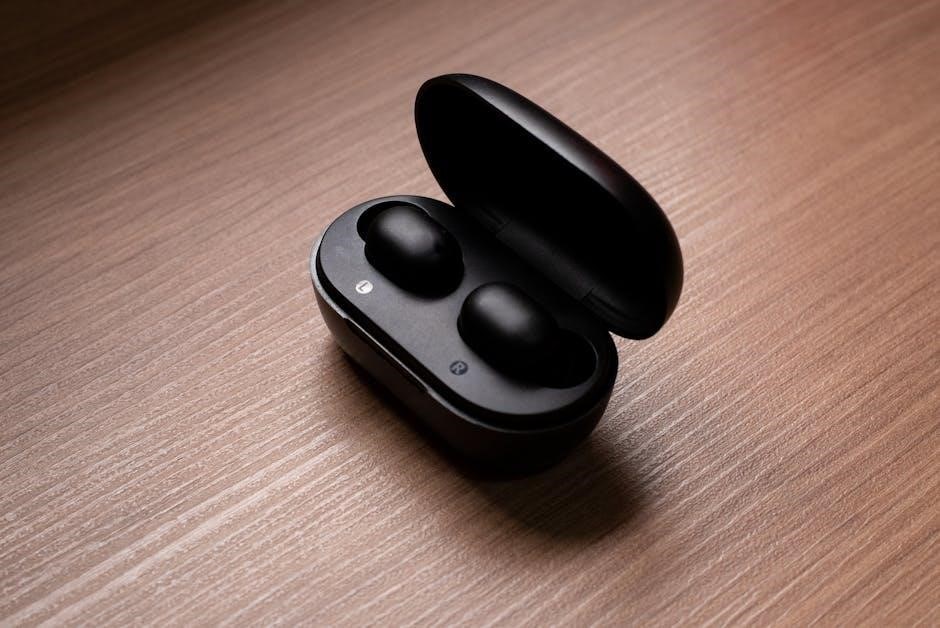
Optimizing Bluetooth Connection
To enhance your TWS earbuds’ connection, disconnect other Bluetooth devices and consider switching to a 5 GHz Wi-Fi band for reduced interference.
Prioritize maintaining a close proximity to your device, ensuring a strong and stable signal for uninterrupted listening.
Disconnecting Other Bluetooth Devices
Bluetooth operates on limited bandwidth, and numerous connected devices can create significant interference, hindering a stable connection for your TWS earbuds. Before attempting to pair or troubleshoot, it’s essential to disconnect any unnecessary Bluetooth-enabled devices from your smartphone or audio source.
This includes speakers, smartwatches, other headphones, and even older paired devices that your phone might be automatically attempting to connect to. Completely disable Bluetooth on these devices if possible, or manually disconnect them from your phone’s Bluetooth settings.
Reducing the number of competing signals dramatically improves the chances of a successful pairing and a more reliable listening experience with your TWS earbuds, minimizing dropouts and audio distortions.
Switching to a 5 GHz Wi-Fi Band
Both Bluetooth and Wi-Fi utilize the 2.4 GHz frequency band, leading to potential interference that can disrupt TWS earbud connectivity. If your router supports it, switching to the 5 GHz Wi-Fi band can significantly reduce this interference. The 5 GHz band offers faster speeds and less congestion, providing a clearer wireless environment.
Access your router’s settings (usually through a web browser) and look for options to enable or prioritize the 5 GHz network. Connect your smartphone or audio source to the 5 GHz network while attempting to pair or use your earbuds.
This simple change can often resolve pairing issues and improve the overall stability of your Bluetooth connection, resulting in a smoother audio experience.
Maintaining Signal Strength
Bluetooth signal strength directly impacts the reliability of your TWS earbud connection. Maintaining a close proximity between your audio source (smartphone, laptop, etc.) and the earbuds – ideally within 10 meters – is crucial. Obstacles like walls and furniture can weaken the signal, causing dropouts or disconnections.
Avoid crowded Bluetooth environments where numerous devices are competing for bandwidth. Minimize interference by keeping your earbuds away from other electronic devices emitting radio frequencies.
Ensure a clear line of sight whenever possible, and consider the placement of your audio source to optimize signal transmission for a consistent listening experience.
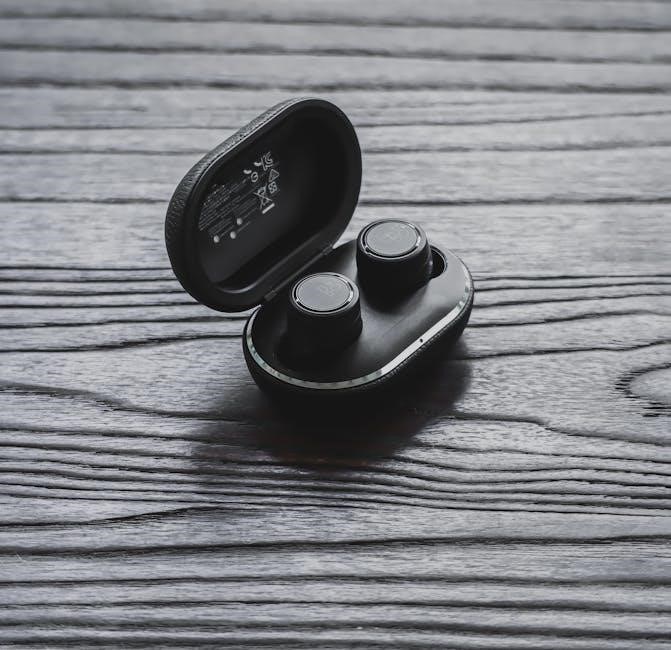
Firmware Updates
Regular firmware updates, often delivered through the manufacturer’s app, are essential for bug fixes and improved performance of your TWS earbuds.
These updates enhance stability and can resolve pairing issues, ensuring a seamless user experience.
Checking for Updates
To check for firmware updates for your TWS earbuds, the primary method involves utilizing the manufacturer’s dedicated mobile application. Most brands offer companion apps available on both iOS and Android platforms. Within the app, navigate to the settings or device information section; a dedicated “Firmware Update” or “Software Update” option is typically present.
The app will automatically scan for available updates. If an update is found, follow the on-screen prompts to initiate the download and installation process. Ensure your earbuds are adequately charged and connected to your smartphone via Bluetooth during the update;
Some earbuds may also indicate update availability through LED indicators on the charging case or earbuds themselves.
Updating Firmware via Manufacturer’s App
Updating your TWS earbuds’ firmware through the manufacturer’s app is generally a straightforward process. Once an update is detected, the app will guide you through the installation. Ensure a stable Bluetooth connection between your earbuds and smartphone is maintained throughout. Place the earbuds inside the charging case, as many updates require them to be docked.
The app will display a progress bar indicating the update’s status. Do not interrupt the process, as this could potentially damage the earbuds.
Upon completion, the app will notify you, and the earbuds may restart automatically. Bug fixes and performance enhancements are often included in these updates.

Advanced Features & Controls
TWS earbuds frequently feature intuitive touch controls for music playback and volume adjustment. Voice assistant integration allows hands-free operation, enhancing user convenience.
Understanding Touch Controls
Many TWS earbuds utilize touch-sensitive surfaces on each earbud for a variety of functions. Single taps often play or pause music, while double taps can skip tracks forward or backward. Some models allow for volume control via upward or downward swipes on the earbud surface.
Long presses frequently activate voice assistants like Siri or Google Assistant. It’s essential to consult your earbud’s manual to fully understand the specific gesture controls. Customization options may be available through the manufacturer’s companion app, allowing you to tailor the controls to your preferences. Mastering these controls unlocks the full potential of your TWS earbuds.
Voice Assistant Integration
TWS earbuds frequently offer seamless integration with popular voice assistants like Siri, Google Assistant, and Alexa. Typically, a long press on one of the earbuds activates your chosen assistant, allowing for hands-free control. You can then issue voice commands to play music, make calls, send messages, or get information.
Ensure your smartphone’s voice assistant is enabled and properly configured. Some earbuds require initial setup within the manufacturer’s app to activate this feature. This integration enhances convenience and accessibility, providing a truly hands-free listening experience. Explore the possibilities and enjoy the power of voice control with your TWS earbuds.
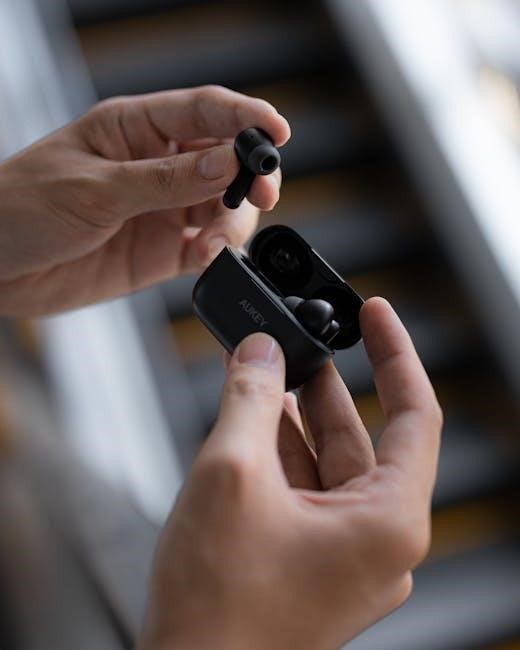
Maintaining Your TWS Earbuds
Regular cleaning and proper storage are vital for longevity. Fully charge before extended periods of inactivity to preserve battery health and performance.
Prioritize keeping the earbuds dry and free from debris for optimal sound quality and functionality.
Cleaning and Storage
Maintaining cleanliness is paramount for both hygiene and optimal performance of your TWS earbuds. Regularly wipe the earbuds with a soft, dry, lint-free cloth to remove earwax and debris. For stubborn grime, slightly dampen the cloth with isopropyl alcohol, ensuring no liquid enters the internal components.
When not in use, store your earbuds in their charging case. This protects them from dust, moisture, and potential damage. Avoid exposing the earbuds to extreme temperatures or direct sunlight for prolonged periods. Proper storage significantly extends the lifespan of your TWS earbuds, ensuring consistent audio quality and reliable functionality.
Remember to also clean the charging contacts within the case periodically for efficient charging.
Extending Battery Life
Maximizing battery life is crucial for uninterrupted listening with your TWS earbuds. Lowering the volume can significantly reduce power consumption. Avoid using noise cancellation features when not necessary, as they demand more energy. When not in use, store the earbuds in their charging case to conserve power.
Disable features like automatic ear detection if they aren’t essential, as constant sensor activity drains the battery. Keep the earbuds’ firmware updated, as manufacturers often release updates that improve power efficiency. Avoid exposing the earbuds to extreme temperatures, which can negatively impact battery performance.
Finally, fully charge the case regularly to ensure a readily available power source.
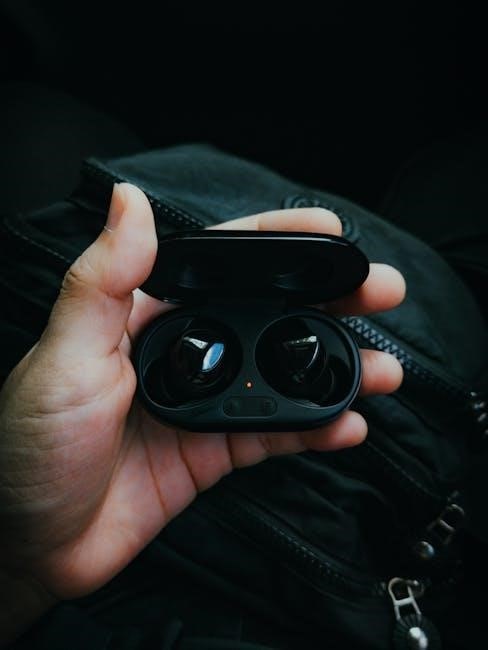
Common Problems and Solutions
Addressing common issues like sound distortion or charging failures often involves resetting the connection, ensuring a full charge, or checking for firmware updates.
Interference from other devices can also be a culprit, requiring device separation.
Sound Quality Issues
Experiencing diminished sound quality with your TWS earbuds can be frustrating, but several troubleshooting steps can often restore optimal audio. First, ensure the earbuds are clean and free of any obstructions, as earwax or debris can significantly impact sound output.
Next, verify the Bluetooth connection is stable; interference from other devices or exceeding the recommended 10-meter range can cause dropouts or distortion. Try disconnecting other Bluetooth connections and moving closer to your audio source.
Furthermore, consider resetting the earbuds and re-pairing them with your device. Outdated firmware can also contribute to sound problems, so check for and install any available updates through the manufacturer’s app. Finally, experiment with different audio sources and file formats to isolate whether the issue lies with the earbuds or the original audio.
Earbuds Won’t Charge
If your TWS earbuds refuse to charge, begin by inspecting the charging case and earbuds for any visible debris or damage. Clean the charging contacts on both the earbuds and within the case with a dry, soft cloth. Ensure the charging cable and adapter are functioning correctly by testing them with another device.
Try a different USB port or wall adapter, as some may not provide sufficient power. A full reset of the earbuds can sometimes resolve charging issues; refer to the manufacturer’s instructions for the correct procedure.
If the problem persists, the battery may be depleted or faulty, requiring professional repair or replacement. Avoid using the earbuds while they are charging, and do not expose them to extreme temperatures.
Safety Precautions
Protect your hearing by maintaining safe listening volumes. Be mindful of water and sweat resistance limitations to prevent damage and ensure longevity.
Avoid extreme conditions that could compromise the earbuds’ functionality and your auditory health.
Listening Volume and Hearing Health
Prolonged exposure to high volumes through TWS earbuds can lead to irreversible hearing damage. It’s crucial to practice safe listening habits to protect your auditory health. A general guideline is to keep the volume below 60% of the maximum level.
Many smartphones now include features that monitor headphone volume and provide warnings if it exceeds safe limits. Utilize these tools! Be particularly cautious in noisy environments, as you may instinctively increase the volume to compensate, potentially causing harm. Regular hearing checks are also recommended, especially if you frequently use earbuds. Remember, prevention is key to preserving your hearing for years to come.
Prioritize ear health alongside enjoying your audio experience.
Water and Sweat Resistance
TWS earbuds vary significantly in their water and sweat resistance. Check your specific model’s IP rating (Ingress Protection) to understand its level of protection. An IPX4 rating, for example, indicates splash resistance, suitable for workouts, but not full submersion.
Avoid exposing your earbuds to heavy rain or intentionally submerging them in water unless the manufacturer explicitly states they are waterproof. Sweat can also cause corrosion over time, so wipe down your earbuds after exercise. Proper care extends their lifespan. Storing them in a dry place when not in use is also recommended. Damage due to water exposure is often not covered under warranty.
Protect your investment with mindful usage.